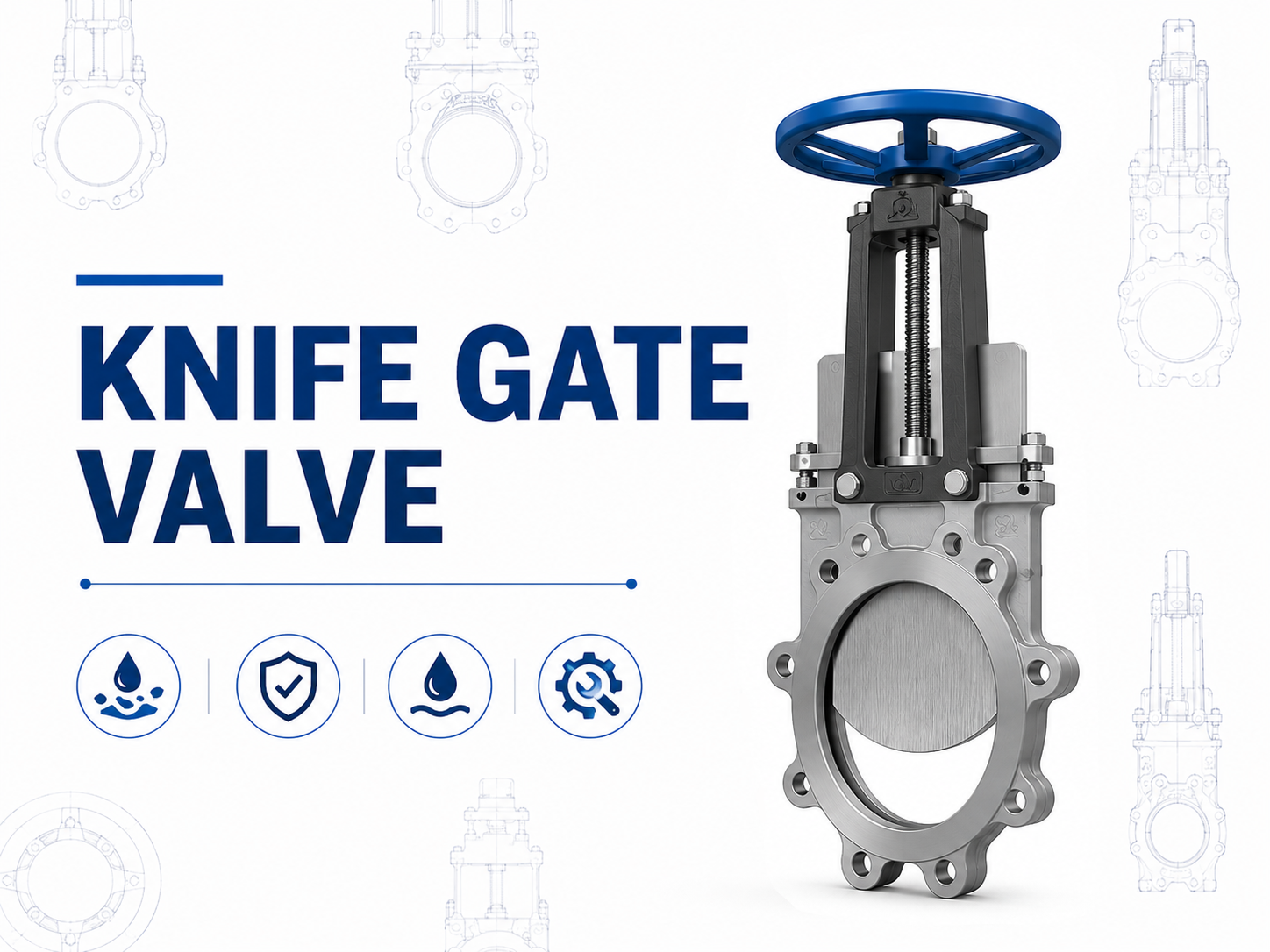
What Should Be Considered When Using a Knife Gate Valve in Wastewater or Slurry Applications?
- Jun 12,26
- Hits: 0
In wastewater treatment, slurry handling, pulp and paper production, and chemical waste fluid systems, knife gate valves are widely used due to their simple str

Scientific Comparison of Butterfly, Ball, and Gate Valves in Industrial Systems
- Jun 05,26
- Hits: 0
IntroductionIn industrial systems such as oil & gas, petrochemical, power generation, and water treatment, valve selection directly impacts process reliability,

Small vs Large Gate Valves: Is the User Experience Really Different?
- May 29,26
- Hits: 0
At first glance, a gate valve works the same regardless of size. Open the gate, allow flow. Close it, isolate the line. But in real industrial service, the expe

Butterfly Valve for Steam Pipelines: Standard Resilient-Seated or Triple Offset?
- May 22,26
- Hits: 0
1. Operating ScenarioSteam systems operate under: 180–540°C temperature range ASME Class 150–600+ pressure Frequent thermal cycling Condensate
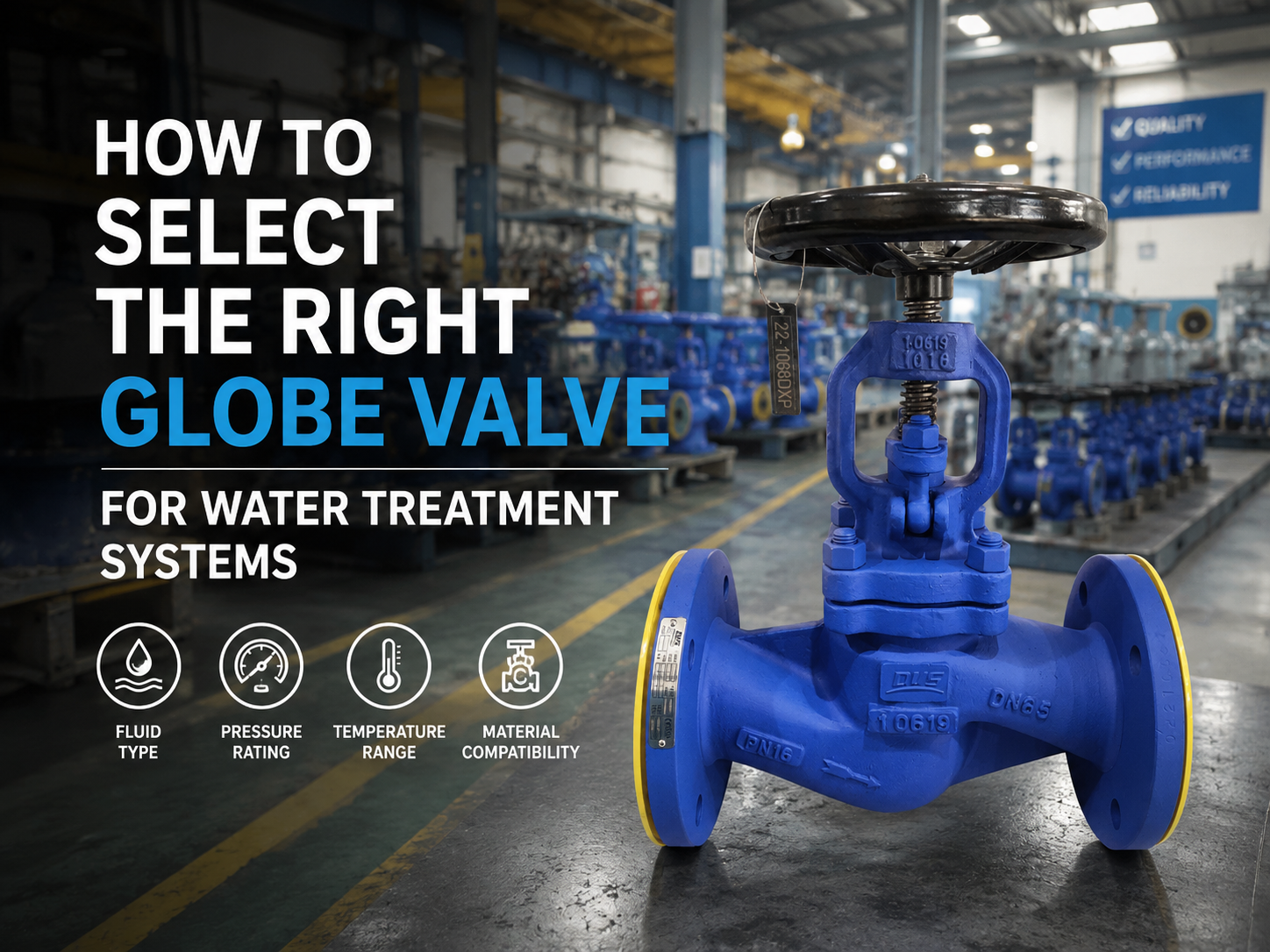
How to Select the Right Globe Valve for Water Treatment Systems
- May 15,26
- Hits: 0
In water treatment systems, the Globe Valve is mainly used for flow regulation, pressure control, and shut-off service. Compared with gate valves, globe valves
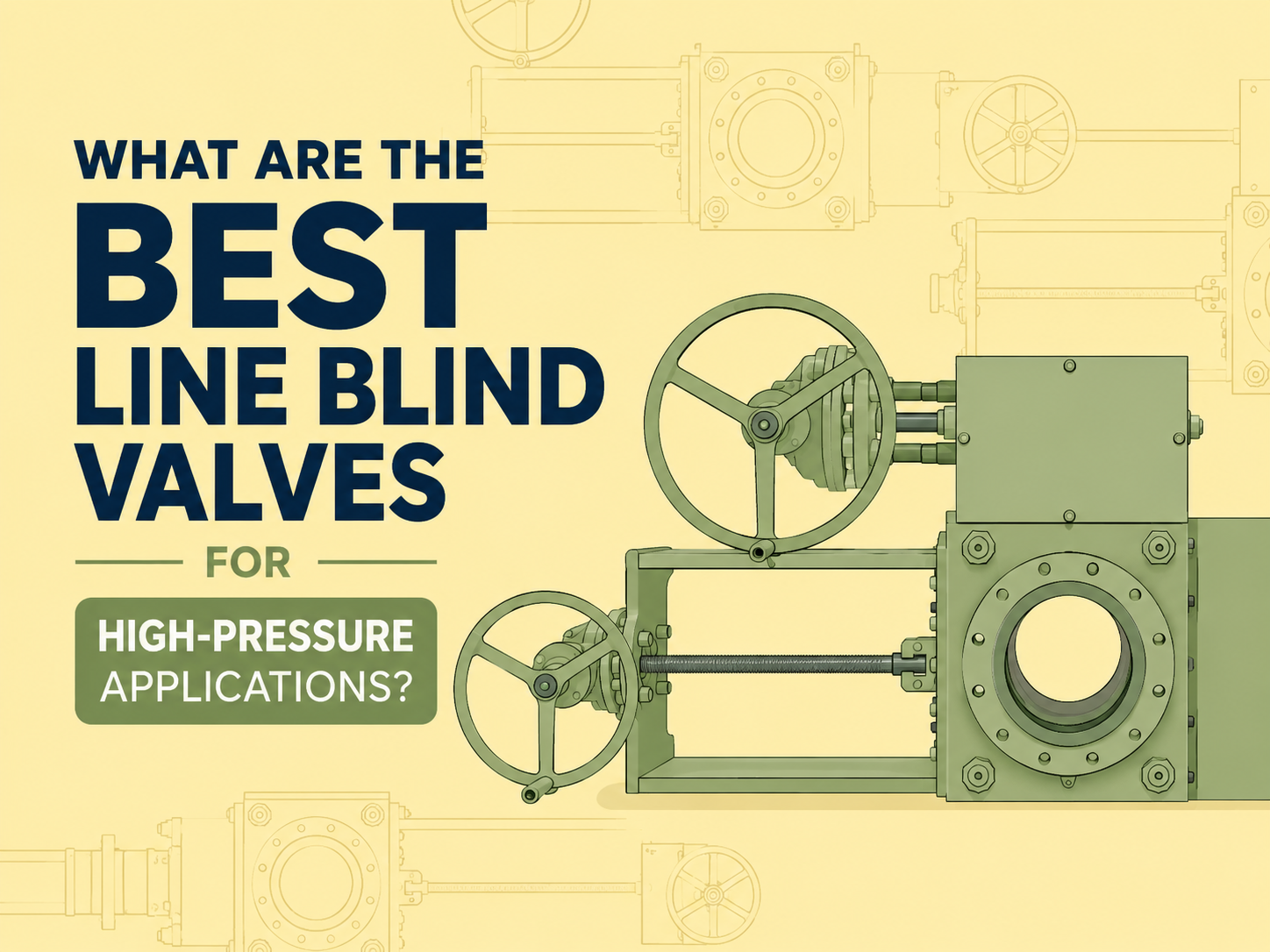
What Are the Best Line Blind Valves for High-Pressure Applications?
- May 09,26
- Hits: 0
In high-pressure pipeline systems, one question comes up repeatedly: "Which line blind valve is best for high-pressure applications?"The answer is not a single
Y Strainer Dimensions: Standards, Face-to-Face, and End Connection Guide
- Apr 30,26
- Hits: 0
1. OverviewA Y strainer is used to remove solid particles from pipelines to protect downstream equipment such as pumps, valves, and instruments. If the strainer
How to Use a Line Blind Valve Safely
- Apr 24,26
- Hits: 0
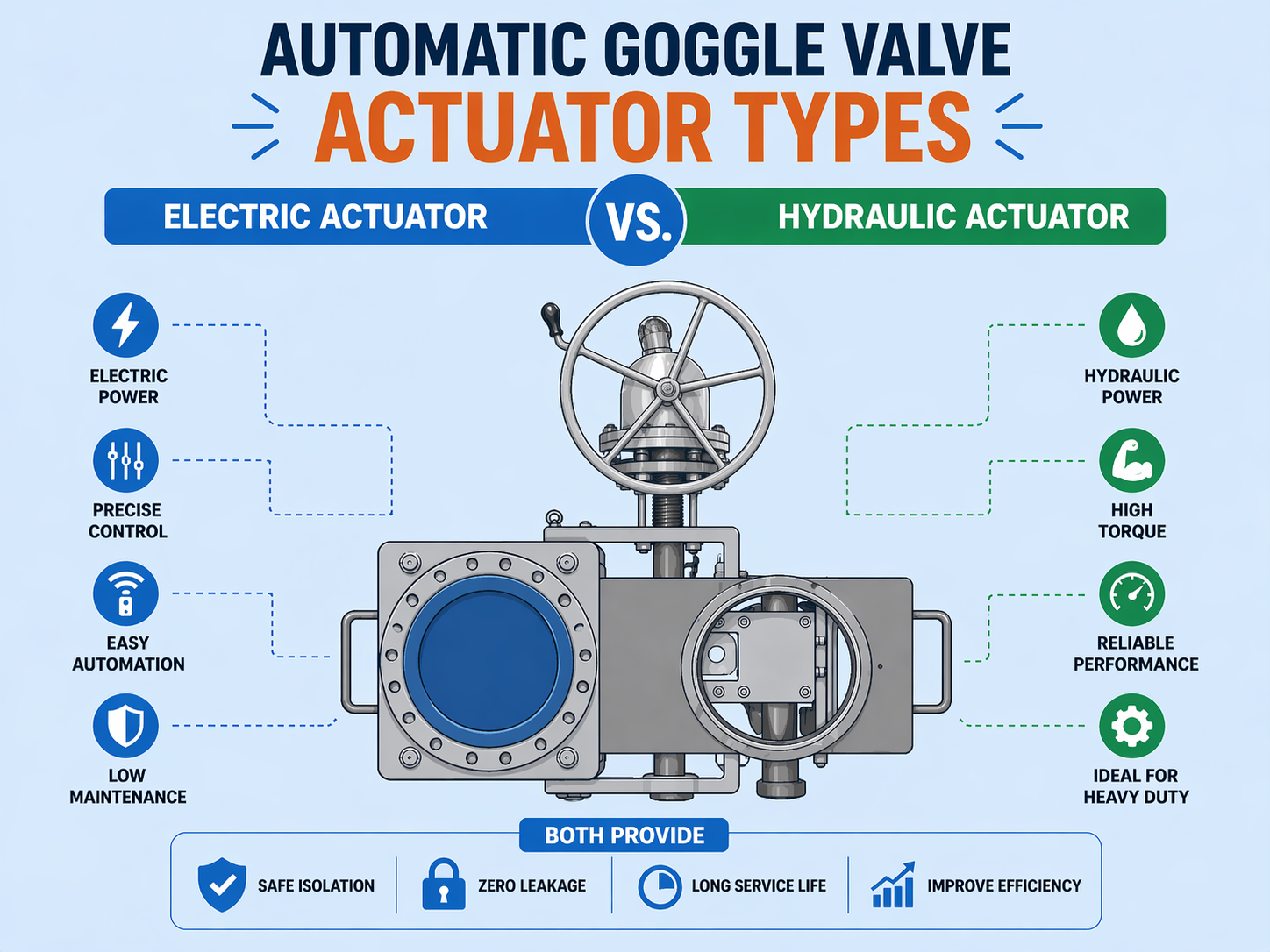
The primary function of a line blind valve is positive isolation. Unlike conventional valves, it does not rely on sealing surfaces but achieves zero leakage thr
What causes line blind valve sticking Troubleshooting guide
- Apr 21,26
- Hits: 0
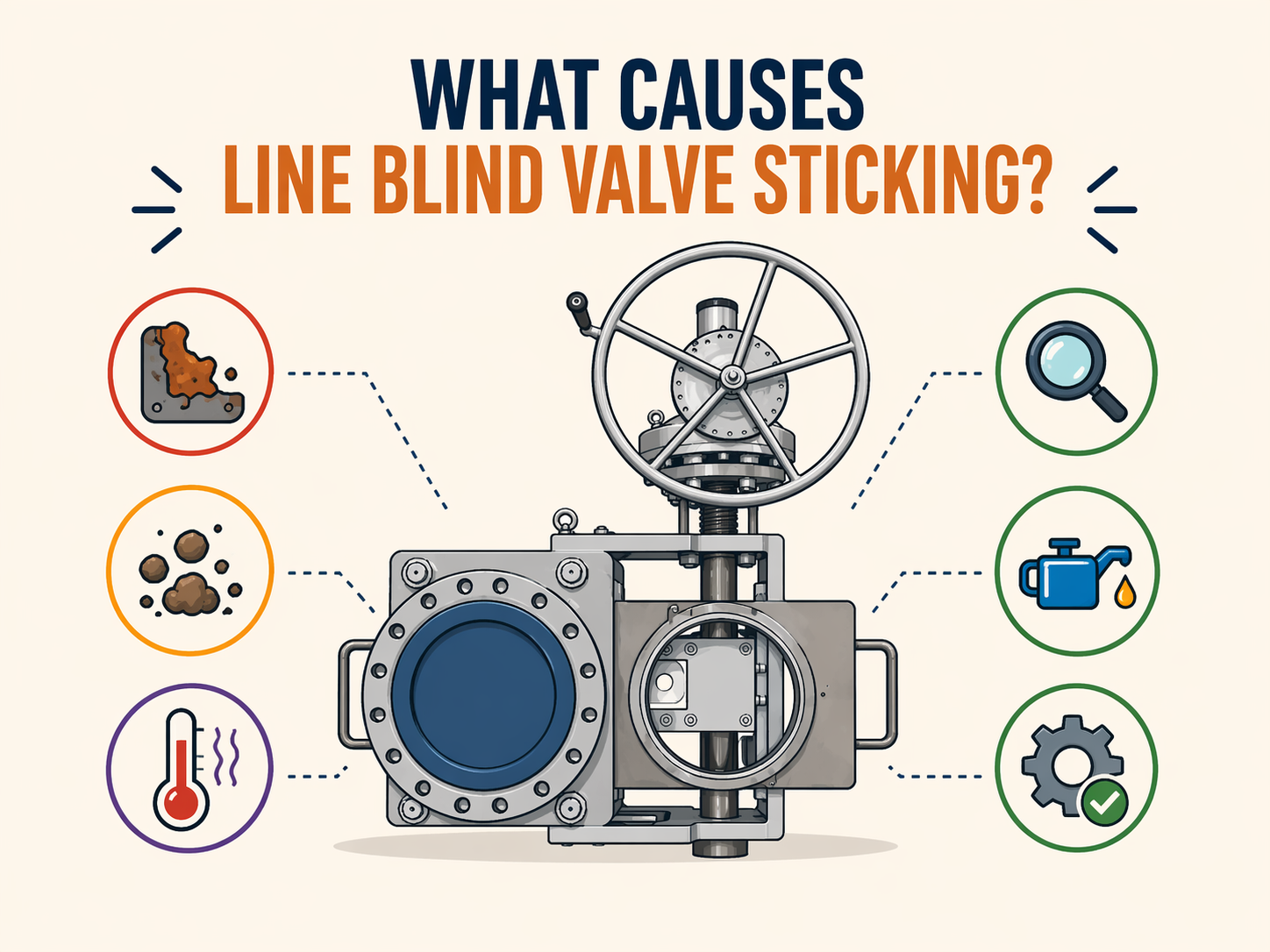
In pipeline isolation applications, a line blind valve features a relatively simple structure. However, once sticking occurs, it can directly impact maintenance
Best Blind Valve Manufacturers: Top 10 Recommended Suppliers for Pipeline Isolation (2026 Guide)
- Apr 10,26
- Hits: 0
IntroductionIn industrial pipeline systems—especially in oil & gas, petrochemical, and power plants—positive isolation is not optional. If your proj
Why do gate valves always leak?
- Apr 03,26
- Hits: 0
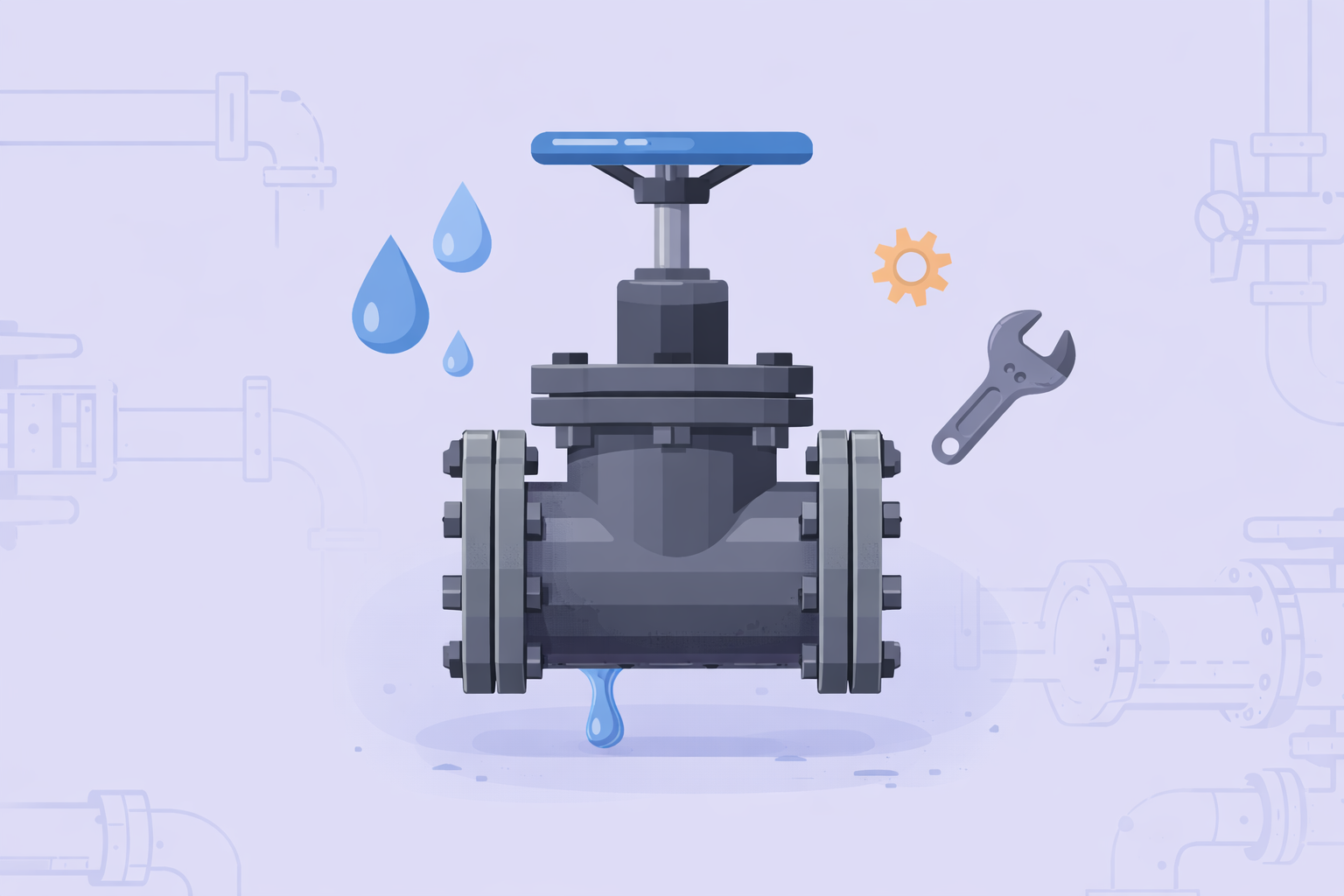
In oil & gas pipelines, leakage from a gate valve is not a rare accident—it’s a predictable result of design limits, operating conditions, and selec
What is Industrial Valves?
- Mar 27,26
- Hits: 0
Industrial valves are essential components in piping systems used to control the flow, pressure, and direction of fluids. If precise fluid control is required,